Texas Self-Storage FAQs: What Owners Need to Know
boehm / February 9, 2026
What Owners Need to Know Before Making a Decision
Texas self-storage remains one of the most resilient commercial asset classes, but outcomes depend on more than demand. These Texas self-storage FAQs address the most common questions we hear from owners who are considering selling, expanding, or simply want clarity on value and market conditions.
The goal is simple: help you make confident, informed decisions.
Why Does Self-Storage Perform Well in Texas?
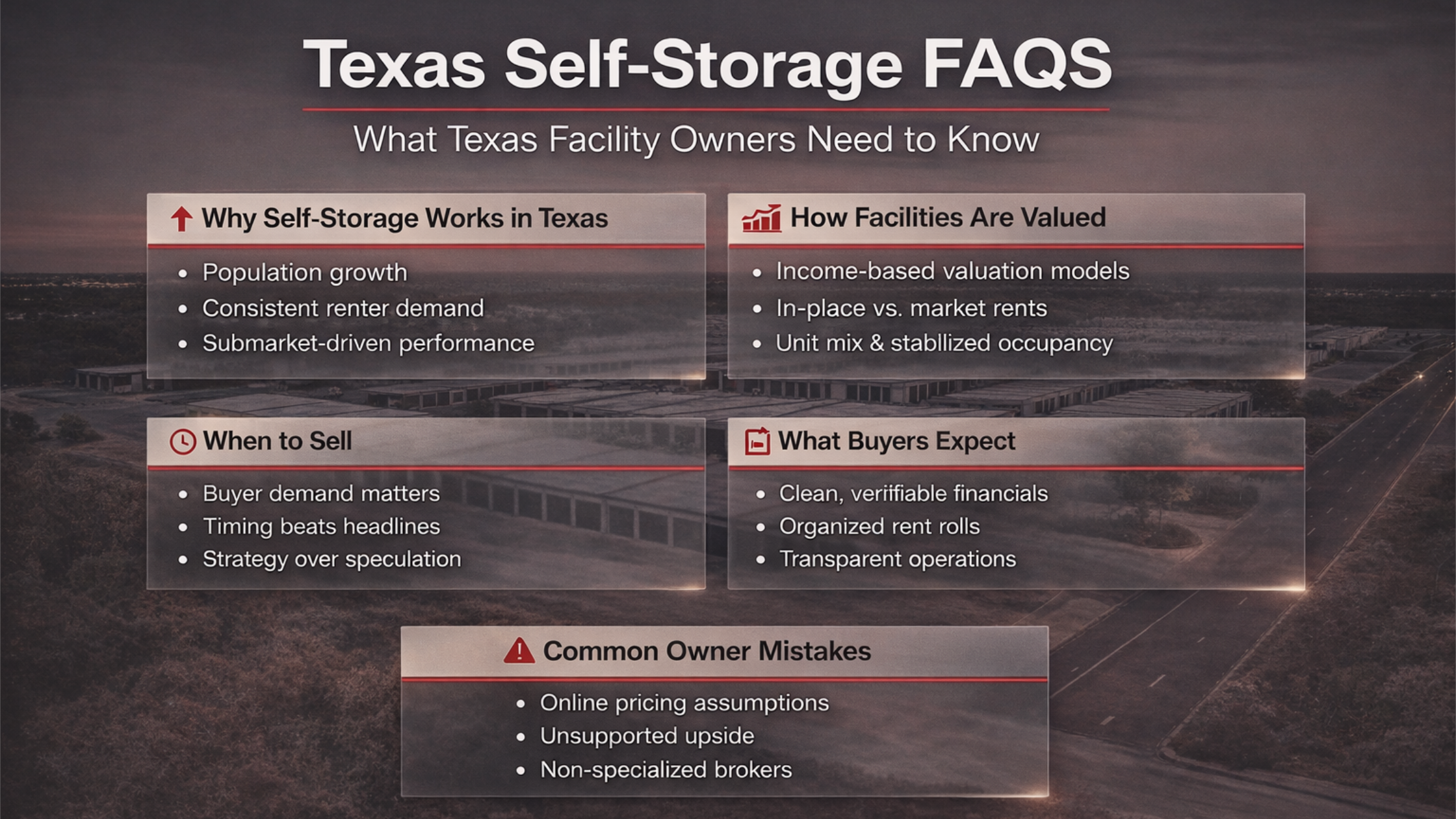
Population growth, in-migration, and steady renter demand support self-storage statewide. Performance, however, varies by submarket. A Hill Country facility underwrites very differently than an urban or oversupplied market, making local insight essential.

How Are Texas Self-Storage Facilities Valued?
Self-storage is valued primarily on income performance, not just real estate.
Buyers focus on:
In-place vs. market rents
Unit mix and occupancy
Operating efficiency and expenses
Expansion or value-add potential
Clear data and realistic projections often drive stronger pricing.
Is Now the Right Time to Sell?

There’s no universal answer — only what’s right for your property. Owners should evaluate buyer demand, interest rate sensitivity, capital needs, and whether upside has already been captured. Strategic timing often matters more than market headlines.
For owners actively exploring a sale, understanding the process, timing, and preparation involved can help reduce risk and improve outcomes, which is covered in more detail in how to sell your self-storage property in Texas.
Do Buyers Prefer Climate-Controlled Storage?
Often, but not always. Climate-controlled units typically achieve higher rents, yet well-run non-climate facilities can perform just as well in the right markets. Buyers prioritize profitability and stability.
What Do Buyers Expect During Due Diligence?
Serious buyers expect clean, organized records, including:
Trailing financials
Rent rolls by unit type
Occupancy and rate history
Utility, tax, and insurance data
Preparation reduces friction and protects value.

Can I Use a 1031 Exchange?
Yes. Self-storage properties commonly qualify for 1031 exchanges, allowing owners to defer capital gains by reinvesting into other income-producing assets. Advance planning is critical.
Common Owner Mistakes
Value is often lost by:
Pricing off online estimates
Overstating upside without data
Ignoring operational inefficiencies
Using brokers unfamiliar with self-storage
One of the most avoidable mistakes is not understanding what to look for in a self-storage real estate broker before taking a property to market.
Self-storage is a specialty asset. Experience matters.
How Boehm Commercial Group Helps
At Boehm Commercial Group, we advise Texas self-storage owners with clarity, strategy, and discretion. Our role is to help you make informed decisions at every stage of ownership — whether you’re evaluating value, planning next steps, or preparing for a transaction.
We help owners:
Understand true market value and buyer pricing drivers
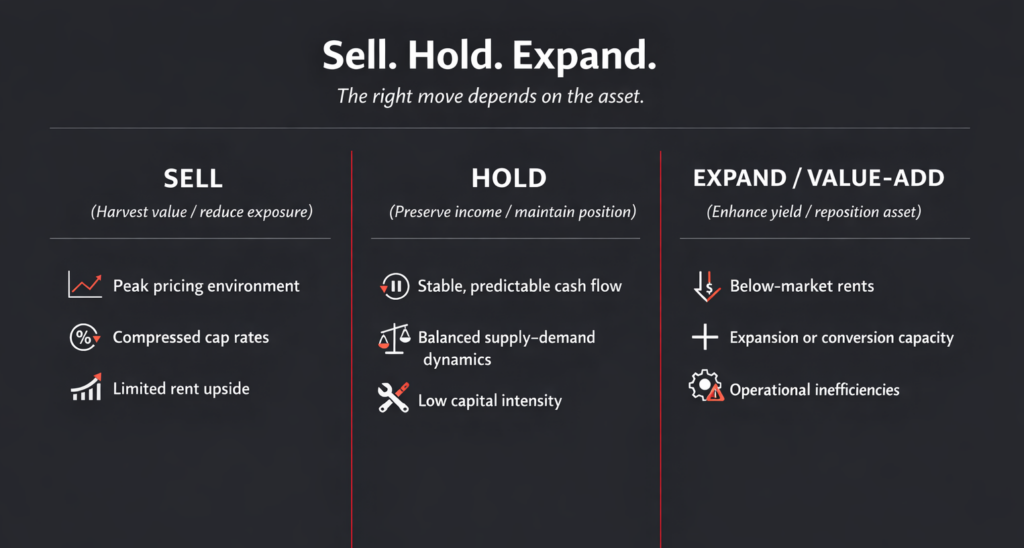
Evaluate sell, hold, or expansion strategies
Prepare for buyer scrutiny and due diligence
Execute decisions with confidence and control
Implement a World-class, Award Winning Marketing Plan
If you’re asking these questions, you’re already thinking strategically.
If you’re considering selling a self-storage facility — or simply want clarity on value and timing — Boehm Commercial Group provides experienced guidance grounded in real transaction insight.
Call Us: (830) 431-2467
Visit Us: www.TX-CRE.com
Email Us: Office@glenboehm.com

Your Trusted Real Estate Partner
Whether you’re looking for a top real estate agent for commercial needs or exploring opportunities with reputable commercial real estate companies, we are your dedicated partner. Reach out to our team today, and let’s discuss how you can become part of San Antonio’s promising growth story and leverage these developments as catalysts for your next investment.
« Previous